

Design
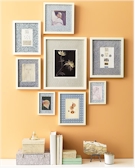
While aesthetic considerations are important in any framing project, proper conservation is essential when working with artwork of monetary, historical, or personal value.
Custom framing is designed not only to enhance the appearance of your piece, but also to protect it from dust, dirt, insects, and indoor environmental pollutants that can cause long-term damage.
At 5280 Custom Framing, we specialize in Conservation and Museum-Quality framing, using archival materials and techniques to help ensure your artwork remains protected for years to come.
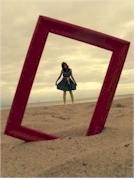
The frame is the foundation that brings all of the design elements together. Today, there is an extensive variety of styles, materials, and quality levels available in picture frame mouldings.
When selecting a frame—as well as mats, fillets, liners, enhancers, or fabrics—we carefully consider design elements that enhance the natural beauty of the artwork without overpowering it. When properly designed, the frame becomes the “icing on the cake,” complementing the piece while harmonizing with the surrounding design choices to create a cohesive and personalized presentation for your home or space.
We offer over 2,000 frame moulding options, including a wide range of woods, metals, and environmentally friendly "Green" frame selections.
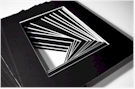
While matting is often viewed as a purely aesthetic or design element, its primary function is actually preservation. A mat helps protect artwork by keeping it from coming into direct contact with the glass.
Even in the cleanest homes, there are traces of indoor pollutants such as dust, airborne grease from cooking, and humidity from daily activities like bathing and cooking. Without a mat or spacer, these elements can accumulate between the glass and the artwork over time, potentially causing damage and diminishing both its appearance and value.
Proper matting not only enhances the presentation of your piece but also plays a critical role in its long-term protection.
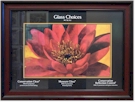
Glazing, or glass, plays an essential role in protecting your artwork over time. Ultraviolet (UV) rays—though invisible to the eye—can cause printed images to fade and may also discolor paper, making it brittle.
Harmful UV exposure is not limited to direct sunlight; even a bright room with indirect light can contribute to gradual fading. A common example of this effect can be seen in the fading of book spines and upholstered furniture over time.
Standard glass offers little to no UV protection. In contrast, Conservation and Museum glass options can filter up to 99% of UV rays, providing significantly greater protection for valuable or irreplaceable pieces.
Museum glass also delivers exceptional clarity and minimal reflection, thanks to its high optical quality and specialized interior coating.